43 understanding ingredients on food labels
Food label: ingredient list - Canada.ca Food label: ingredient list The ingredient list shows all the ingredients in a packaged food. Ingredients are listed in order of weight, beginning with the ingredient that weighs the most and ending with the ingredient that weighs the least. Understanding Food Labels food labels? No. The only foods that have to be declared are those the FDA considers major food allergens: milk, wheat, egg, peanuts, tree nuts, fish, crustacean shellfish, and soy, or ingredients that contain proteins from these foods. Do major food allergens contained in dyes (food coloring), spices, flavorings, additives and processing
Understanding Ingredients on Food Labels - American Heart Association There are many terms used for sugar on food labels. You might see sugar listed as the fourth ingredient in a product and think it's not so bad. But sugar can also be listed as high-fructose corn syrup or corn syrup, agave nectar, barley malt syrup or dehydrated cane juice, to name just a few. Read more about sugar and sweeteners.

Understanding ingredients on food labels
Understanding Food Nutrition Labels, Mount Carmel Blog The labels you see on the foods you buy are meant to help you make more informed choices about what you put on your table and into your body. But all the names, numbers, and ingredients you find on food and nutrition labels can often lead to more confusion than understanding. Understanding sugar content on food labels - Diabetes Care Community Understanding sugar content on food labels is important, to ensure that you're consuming healthy amounts. Reading the ingredient lists and nutrition facts tables on packaged foods is a helpful way for you to check what kind, and how much, sugar a product has. The ingredients are listed in order of weight, beginning with the ingredient that ... How to Understand and Use the Nutrition Facts Label | FDA Dietary fiber, vitamin D, calcium, iron ad potassium are nutrients on the label that Americans generally do not get the recommended amount of. They are identified as nutrients to get more of....
Understanding ingredients on food labels. Food Labeling & Nutrition | FDA Food labeling is required for most prepared foods, such as breads, cereals, canned and frozen foods, snacks, desserts, drinks, etc. Nutrition labeling for raw produce (fruits and vegetables) and ... Food Labels | CDC Understanding the Nutrition Facts label on food items can help you make healthier choices. The label breaks down the amount of calories, carbs, fat, fiber, protein, and vitamins per serving of the food, making it easier to compare the nutrition of similar products. Food Labels Decoded: Demystifying Nutrition and Ingredient Information ... It is important to note why the ingredients are listed as they are so you will better understand what is added to your food. Lien also takes a look at things like fat and sodium, noting that they best way to avoid eating too much is to add up the %DV (percent of Daily Value). Understanding a food label - Canadian Food Inspection Agency Packaged food products that contain priority food allergens and gluten sources must include them in the list of ingredients and/or in a statement that begins with "Contains" on their label. For example, a product with peanuts would include the word "peanuts" in the list of ingredients, or in a statement that states "Contains peanuts," or both.
Labels - Understanding ingredient labels - Center for Research on ... Ingredients will always be listed from the largest to smallest quantity based on weight regardless of the product. However, each product has specific differences. Cosmetic labels provide an overview of what the product does, the ingredients in the product, and any allergens (e.g., nut oils, etc.). Understanding Ingredients on Food Labels | Go Red for Women There are many terms used for sugar on food labels. You might see sugar listed as the fourth ingredient in a product and think it's not so bad. But sugar can also be listed as high-fructose corn syrup or corn syrup, agave nectar, barley malt syrup or dehydrated cane juice, to name just a few. Read more about sugar and sweeteners. Understanding Ingredients In Food Labels | Eufic The quantity of a product's main or characterising ingredients must be declared, usually as a percentage, when the ingredient (or category of ingredient) appears in the name of the food, is normally associated with that food, or is given particular emphasis in the label (e.g. highlighted or pictured). Explaining ingredients Food Packaging Claims | American Heart Association If a food claims to be …. It means that one serving* contains …. Fat free. Less than 0.5 g fat and no ingredient that is fat. Low fat. 3 g of fat or less (and not more than 30% of calories from fat for meals and main dishes) Reduced fat or less fat. At least 25% less fat than the regular product. Low in saturated fat.
How To Read Food Labels: Understanding the Basics How to read food labels: The basics. Food labels serve several purposes. Usually, on the front of the label, you'll find the name of the product, as well as brand identifiers like the company logo, colors, taglines, and contact information. Featured less prominently will be a complete list of ingredients contained within the product. How to understand food labels - Eat For Health The Nutrition Information Panel on a food label offers the simplest and easiest way to choose foods with less saturated fat, salt (sodium), added sugars and kilojoules, and more fibre. It can also be used to decide how large one serve of a food group choice or discretionary food would be and whether it's worth the kilojoules. Understanding Food Labels and Health Claims - Maricopa 5 Understanding Food Labels and Health Claims Learn. How to use a Food Label; ... The FDA requires food manufacturers to list their packages if the product contains any of the eight most common ingredients that cause food allergies. These eight common allergens are as follows: milk, eggs, peanuts, tree nuts, fish, shellfish, soy, and wheat. The ... Easy Tips To Understand The Ingredient List On Food Labels Sugar, sodium and saturated and trans fats have a myriad of monikers. Sugar, for example, may appear as sugar, high fructose corn syrup, agave nectar, brown rice syrup, honey, molasses and a slew of words that end in "ose" (think glucose, fructose, maltose and galactose). Worried about sodium?
Not found. | Nutrition facts label, Nutrition labels, Nutrition facts
Understanding Food Nutrition Labels - Heart When the Nutrition Facts label says a food contains "0 g" of trans fat, but includes "partially hydrogenated oil" in the ingredient list, it means the food contains some trans fat, but less than 0.5 grams per serving. So, if you eat more than one serving, you could end up eating too much trans fat.

Imperfectly Balanced by Ali: Reading Food Labels...What is good and what is bad?
Understanding Food Nutrition Labels - Professional Heart Daily ... When the Nutrition Facts label says a food contains "0 g" of trans fat, but includes "partially hydrogenated oil" in the ingredient list, it means the food contains some trans fat, but less than 0.5 grams per serving. So, if you eat more than one serving, you could end up eating too much trans fat.

Natural Hair Product Ingredients to Avoid | hubpages
Understanding Food Labels - Nutrition: Science and Everyday Application The FDA uses the following definitions for interpreting the %DV on food labels:4 5%DV or less means the food is low in a nutrient. 10% to 19%DV means the food is a "good source" of a nutrient. 20%DV or greater means the food is high in a nutrient.

101 Toxic Food Ingredients Review | Mother Of Health
How To Read Food and Beverage Labels | National Institute on Aging There are three types of product dates commonly printed on packaged foods and beverages: "Sell by" tells how long the manufacturer suggests that a store should sell items such as meat, poultry, eggs, or milk products. Make sure you buy by this date. "Use by" tells how long items will be at peak quality.

Understanding Food Nutrition Labels
Understanding Food Labels - Food Ingredient Facts Food labels are required to list all ingredients contained in the food in descending order based on the amount found in the final product. Most food additives are therefore found toward the end of the ingredient list. This indicates they are used in very small amounts in the food, generally less than two percent of the product.

Understanding Dates on Food Labels
Understanding Food Labels, Part II: The Ingredient Statement Understanding Food Labels Part II: The Ingredient Statement. Karin Allen, Ph.D., Food Quality & Entrepreneurship Specialist. Food Labels Can Be Confusing... But Ingredient Statements look like they're written . in a foreign language! Essentially, they are. It's the language of food scientists, chemists, and processors,
Espoma Organic Biotone Starter Plus Organic Fertilizer | Espoma
Understanding Food Labels | The Nutrition Source | Harvard T.H. Chan ... Under the Food Allergen Labeling and Consumer Protection Act of 2004, eight major food allergens—milk, fish, tree nuts, peanuts, shellfish, wheat, eggs, and soybeans—are required to be listed in a "contains" statement near the Ingredients list if present in a food. An example would be "contains wheat, milk, and soy."

Making Sense of Food Labels For your Toddler - SR Nutrition
PDF Understanding Food Labels! - University of Arizona Choose foods that are higher in nutrients to get more of (dietary fiber, vitamin D, calcium, iron, and potassium) and lower in nutrients to get less of (saturated fat, transfat, sodium, and added sugars). 1 Size up Servings The information listed on the Nutrition Facts label is usually based on one serving of the food.

Meat, Poultry and Seafood - Kalsec
Understanding Ingredients on Food Labels - Professional Heart Daily ... There are many terms used for sugar on food labels. You might see sugar listed as the fourth ingredient in a product and think it's not so bad. But sugar can also be listed as high-fructose corn syrup or corn syrup, agave nectar, barley malt syrup or dehydrated cane juice, to name just a few. Read more about sugar and sweeteners.
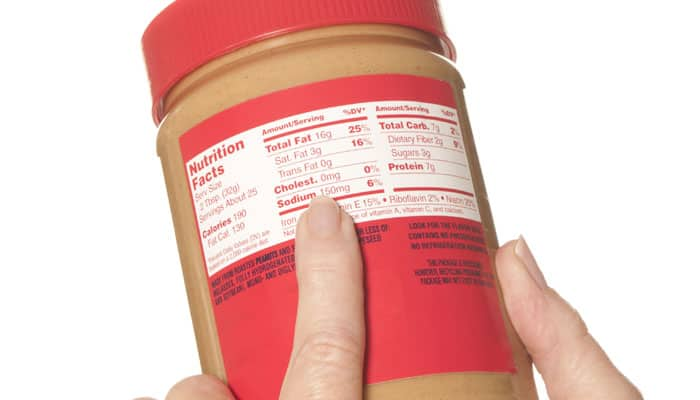
Do food labels make us eat healthy? | Healthy Eating News | Zee News
How to Understand and Use the Nutrition Facts Label | FDA Dietary fiber, vitamin D, calcium, iron ad potassium are nutrients on the label that Americans generally do not get the recommended amount of. They are identified as nutrients to get more of....

Understanding Cat Food Labels - What to Look For | Hill's Pet
Understanding sugar content on food labels - Diabetes Care Community Understanding sugar content on food labels is important, to ensure that you're consuming healthy amounts. Reading the ingredient lists and nutrition facts tables on packaged foods is a helpful way for you to check what kind, and how much, sugar a product has. The ingredients are listed in order of weight, beginning with the ingredient that ...
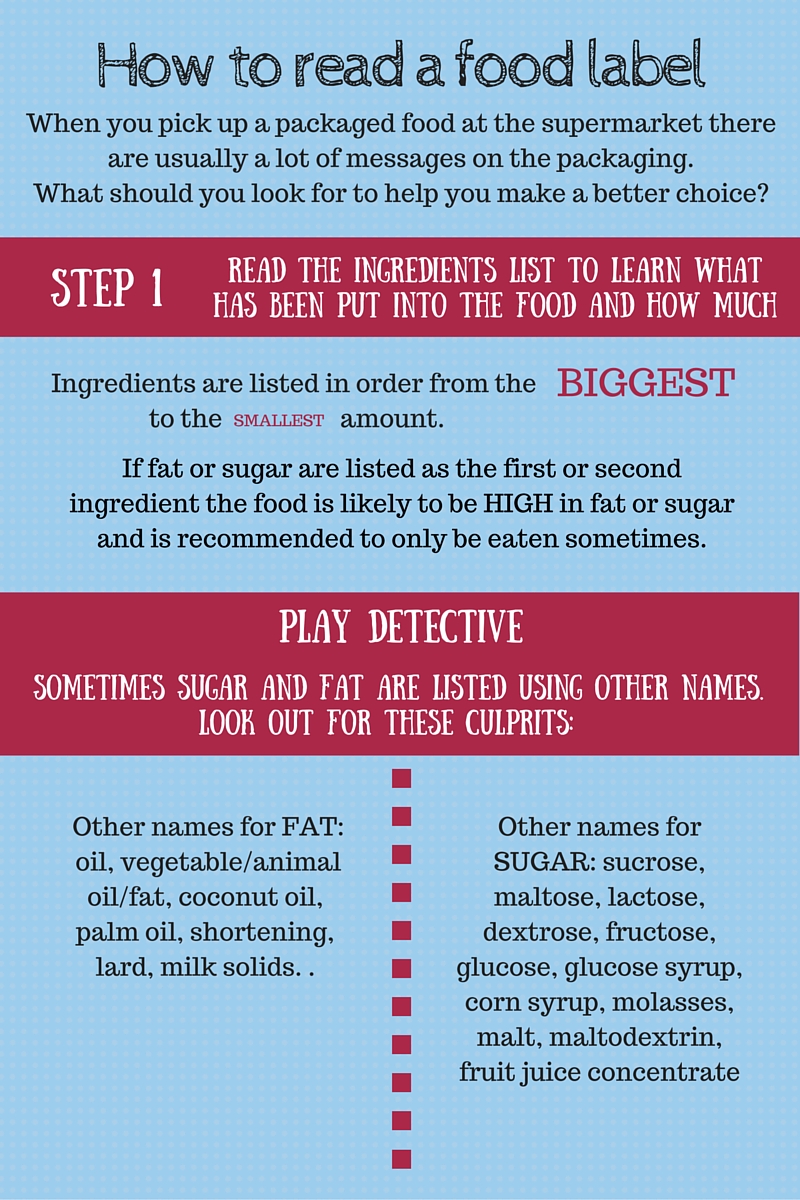
Your step-by-step guide to reading food labels - Healthy Kids
Understanding Food Nutrition Labels, Mount Carmel Blog The labels you see on the foods you buy are meant to help you make more informed choices about what you put on your table and into your body. But all the names, numbers, and ingredients you find on food and nutrition labels can often lead to more confusion than understanding.

Products

How to understand new food labels
Post a Comment for "43 understanding ingredients on food labels"